
Flag of Argentina
La Albiceleste ("the white and sky blue")
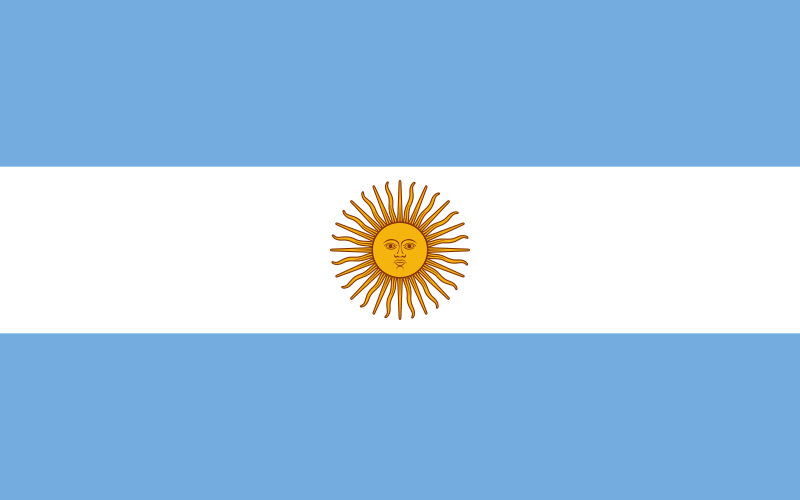
The flag of Argentina has three horizontal stripes, sky blue, white and sky blue, with a golden sun with a face, the Sun of May, in the middle.
At a glance
- Adopted
- February 25, 1818first raised by Manuel Belgrano in 1812, recognised in 1816, the Sun of May added in 1818; today's exact colours and 5:8 shape were fixed by decree in 2010
- Shape (height : width)
- 5:8
- Capital
- Buenos Aires
- Continent
- South America
- Colours
- sky blue (celeste)
- white
- golden yellow (sun)
- brown (sun details)
What it means
- Sky blue and white: the colours of the patriots' cockade during the May Revolution of 1810; their deeper meaning is uncertain, and the sky-and-clouds idea is a popular explanation
- Sun of May: a copy of the sun on Argentina's first coin from 1813; it is linked to the May Revolution, and some writers connect it to Inti, the Inca sun god
Where it came from
General Manuel Belgrano, a hero of Argentina's fight for independence from Spain, created the flag. He first raised it by the Parana River at Rosario on 27 February 1812, using the same colours as the blue-and-white cockade (ribbon badge) that patriots already wore.
Nobody knows for sure why Belgrano chose these colours. Ideas include the Spanish royal family's Order of Charles III, whose ribbon was blue and white. The popular story that they stand for the sky and clouds is doubted by most historians.
History
The Congress of Tucuman, which declared independence, approved the plain blue-white-blue flag in 1816. In 1818 Congress added the sun to the white stripe for the war flag.
For a long time only the government and the army could fly the version with the sun, while ordinary people used the plain one. Since 1985 everyone may fly the flag with the sun. A decree in 2010 fixed the exact colours and proportions.
Fun facts
- The Sun of May has 32 rays: 16 straight ones and 16 wavy ones.
- Argentina's Flag Day is 20 June, the day Belgrano died in 1820.
- There is a giant National Flag Memorial in Rosario, where the flag was first raised.
- Argentina's football team is called La Albiceleste after the flag's colours.
- Two of Belgrano's early flags were hidden in a small chapel in Bolivia and only found by chance in 1885.
Easy to mix up with
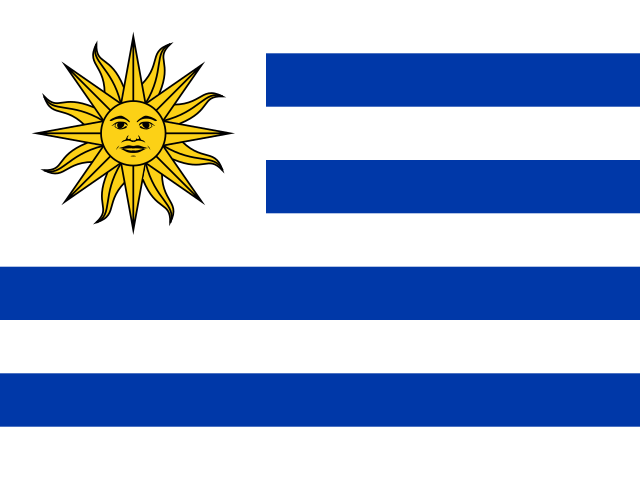 Uruguay: Uruguay also has a Sun of May, but in the corner, with nine blue and white stripes
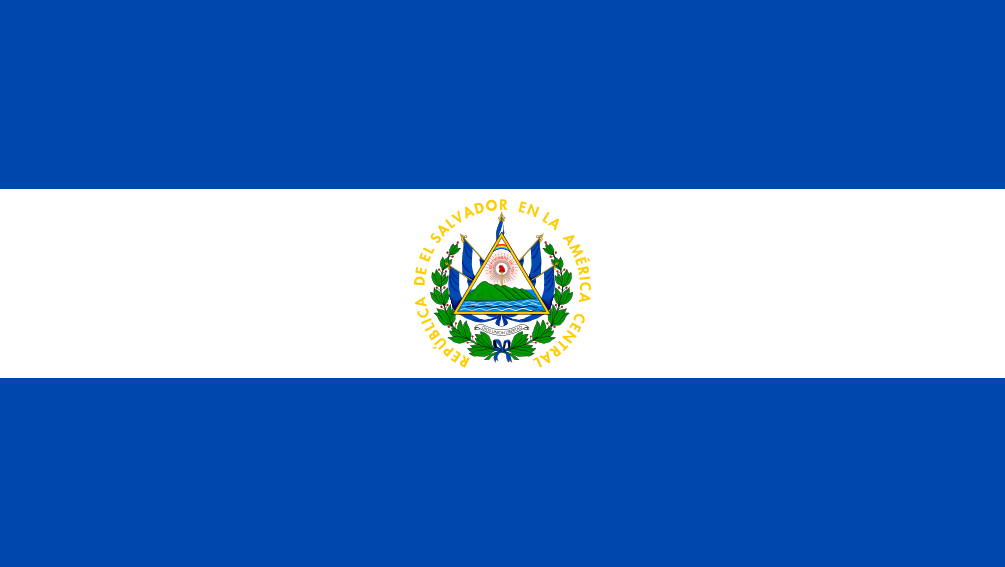 El Salvador: El Salvador has blue-white-blue stripes in a darker blue, with a coat of arms instead of a sun
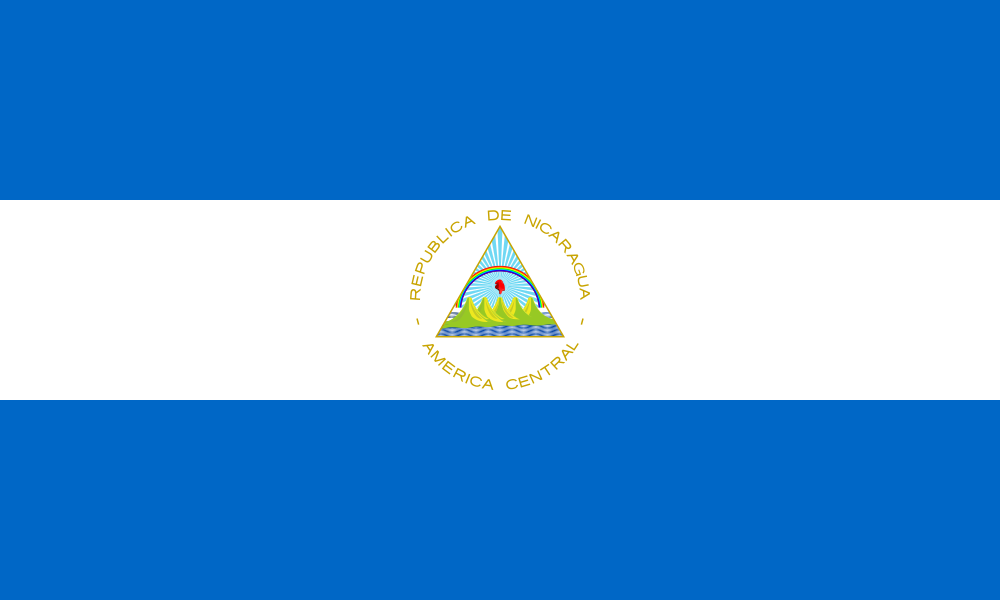 Nicaragua: Nicaragua has blue-white-blue stripes with a triangle emblem in the centre
Questions
What does the flag of Argentina look like?
The flag of Argentina has three horizontal stripes, sky blue, white and sky blue, with a golden sun with a face, the Sun of May, in the middle.
What do the colours and symbols on the flag of Argentina mean?
Sky blue and white: the colours of the patriots' cockade during the May Revolution of 1810; their deeper meaning is uncertain, and the sky-and-clouds idea is a popular explanation; Sun of May: a copy of the sun on Argentina's first coin from 1813; it is linked to the May Revolution, and some writers connect it to Inti, the Inca sun god.
When was the flag of Argentina adopted?
The current flag of Argentina was adopted on February 25, 1818. (first raised by Manuel Belgrano in 1812, recognised in 1816, the Sun of May added in 1818; today's exact colours and 5:8 shape were fixed by decree in 2010)
What colours are on the flag of Argentina?
The flag of Argentina uses sky blue (celeste), white, golden yellow (sun) and brown (sun details).
Which flag is easy to mix up with the flag of Argentina?
It is easy to mix up with the flag of Uruguay. Uruguay also has a Sun of May, but in the corner, with nine blue and white stripes
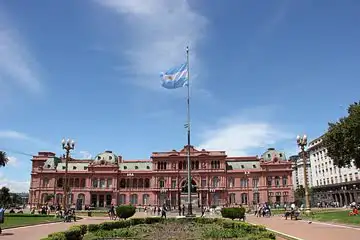
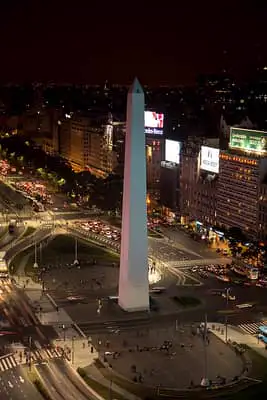
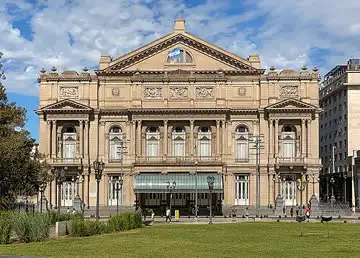
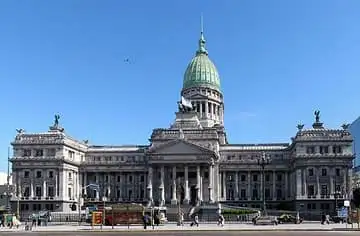
Famous landmarks in Argentina


🎯 Play the flag quiz 🌍 Play the globe
Sources
- en.wikipedia.org
- crwflags.com
- Flag picture: flagcdn.com (Wikimedia Commons)