
Flag of Iceland
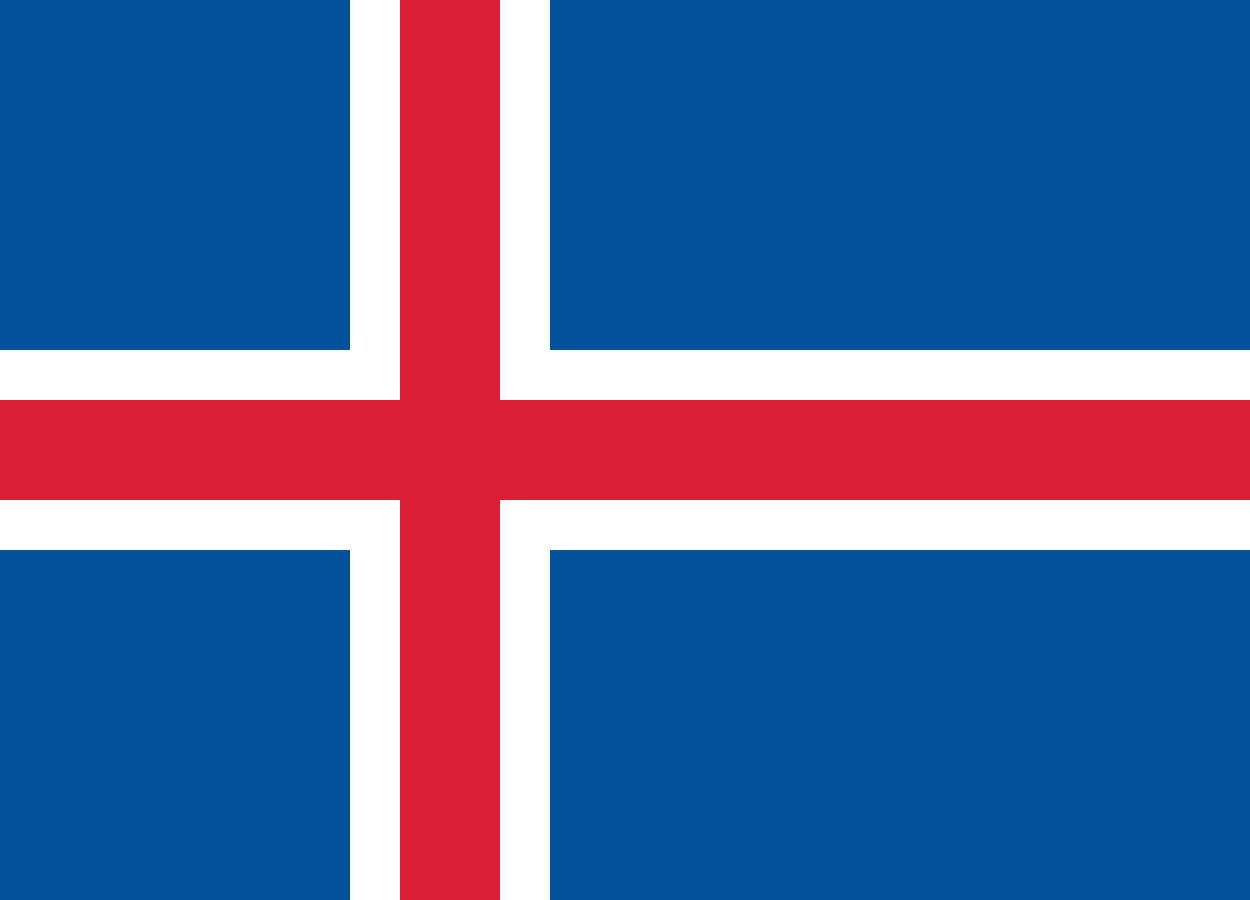
A blue flag with a red cross edged in white; the cross is shifted toward the flagpole, like other Nordic flags.
At a glance
- Adopted
- June 19, 1915approved by the Danish king in 1915; became the national flag in 1918 and was set in law when Iceland became a republic on 17 June 1944
- Shape (height : width)
- 18:25
- Capital
- Reykjavík
- Continent
- Europe
- Colours
- blue
- white
- red
What it means
- Blue and white: the traditional colours of Iceland; people often say blue is the sea and mountains and white is ice and snow
- Red: commonly read as the fire of Iceland's volcanoes
- Cross: the Nordic cross, a sign of Iceland's Scandinavian ties and traditionally of Christianity
Where it came from
The flag was designed by Matthias Thordarson. Blue and white had been used as Iceland's colours since the late 1800s, and a blue-and-white flag was first shown in public in 1897.
The red cross was added inside the white one, partly to make the flag different from similar designs. The cross shape is the Nordic cross shared with Denmark, Norway and Sweden.
History
Around 1900 some Icelanders who wanted independence used an unofficial blue flag with a white cross called Hvitblainn. King Christian X of Denmark approved the current design on 19 June 1915, when Iceland was still under Danish rule.
In 1918 Iceland became a separate kingdom sharing the Danish king, and the flag became its national flag. The 1944 flag law, passed the day Iceland became a republic, set the rules.
Fun facts
- By the flag rules, the flag should not be raised before 7 in the morning and must not stay up after midnight.
- Disrespecting the flag can bring a fine or even up to a year in prison under Icelandic law.
- A flag very much like the old Hvitblainn later became the flag of Shetland in Scotland.
Easy to mix up with
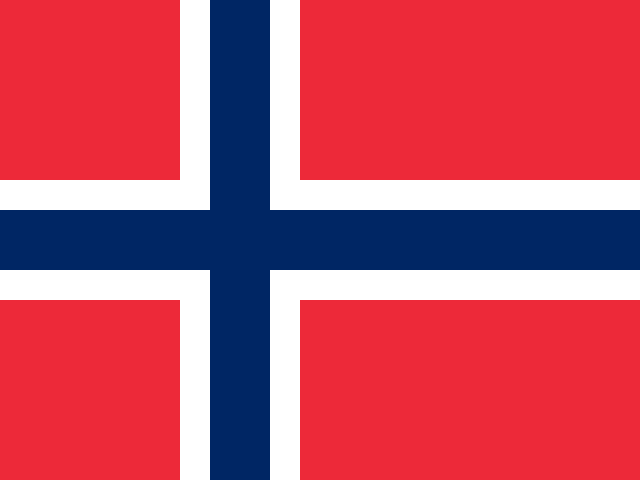 Norway
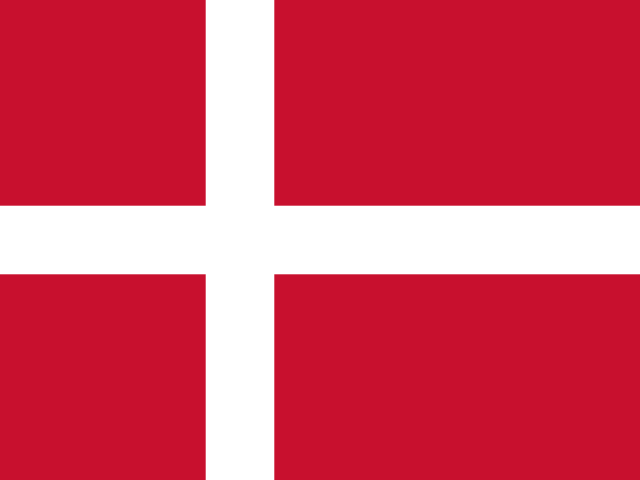 Denmark
Questions
What does the flag of Iceland look like?
A blue flag with a red cross edged in white; the cross is shifted toward the flagpole, like other Nordic flags.
What do the colours and symbols on the flag of Iceland mean?
Blue and white: the traditional colours of Iceland; people often say blue is the sea and mountains and white is ice and snow; Red: commonly read as the fire of Iceland's volcanoes; Cross: the Nordic cross, a sign of Iceland's Scandinavian ties and traditionally of Christianity.
When was the flag of Iceland adopted?
The current flag of Iceland was adopted on June 19, 1915. (approved by the Danish king in 1915; became the national flag in 1918 and was set in law when Iceland became a republic on 17 June 1944)
What colours are on the flag of Iceland?
The flag of Iceland uses blue, white and red.
Which flag is easy to mix up with the flag of Iceland?
It is easy to mix up with the flag of Norway. Norway has the same pattern but swaps the colours: red background with a blue cross
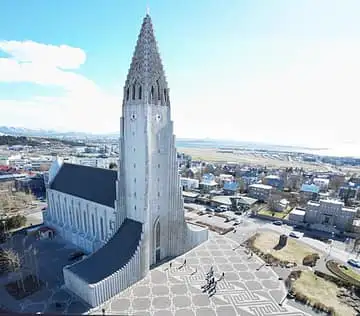
Famous landmarks in Iceland
🎯 Play the flag quiz 🌍 Play the globe
Sources
- en.wikipedia.org
- crwflags.com
- Flag picture: flagcdn.com (Wikimedia Commons)