
Flag of Jamaica
"The Cross" or "Black, Green and Gold"
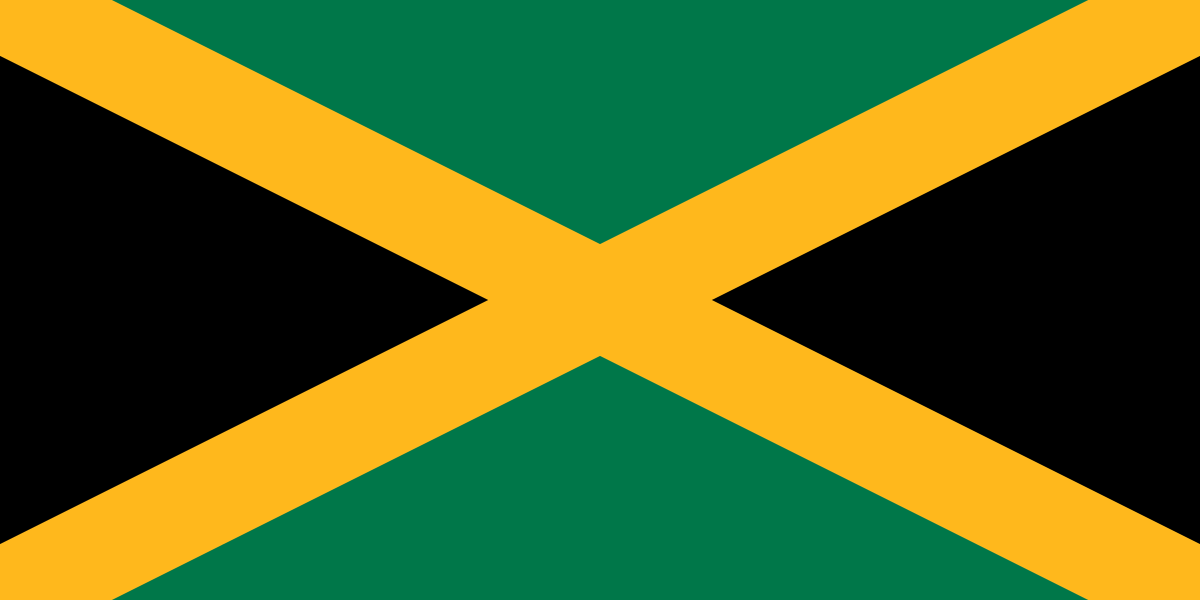
A gold diagonal cross (saltire) divides the flag into four triangles: green at the top and bottom, black at the left and right.
At a glance
- Adopted
- August 6, 1962first raised on independence day, 6 August 1962; the official meaning of the colours was revised in 1996
- Shape (height : width)
- 1:2
- Capital
- Kingston
- Continent
- North America
- Colours
- gold
- green
- black
What it means
- Black: the strength and creativity of the people; in 1962 it stood for hardships
- Gold: the sunshine and the natural wealth of the country
- Green: the land, its plants and hope
- Original 1962 motto: "Hardships there are but the land is green and the sun shineth"
Where it came from
A public design contest in 1962 drew more than 360 entries but found no winner. A committee of members from both parties in the House of Representatives then created the design.
Their first idea used horizontal stripes, but it was dropped because it looked too much like the flag of Tanganyika (now part of Tanzania). The diagonal cross took its place; one account says it was inspired by Scotland's flag.
History
Before independence, Jamaica used British colonial flags: a blue flag with the Union Jack in the corner and the colony's badge, in several versions from 1875 to 1962.
The new flag was raised when Jamaica became independent on 6 August 1962. In 1996 a committee led by Rex Nettleford recommended a more positive meaning for the black, and the government accepted it.
Fun facts
- Jamaica's is the only national flag with no red, white or blue at all (since Mauritania added red stripes in 2017).
- The flag is twice as long as it is tall.
- Jamaicans often just call it "the Cross".
- It nearly had stripes instead of a cross.
Easy to mix up with
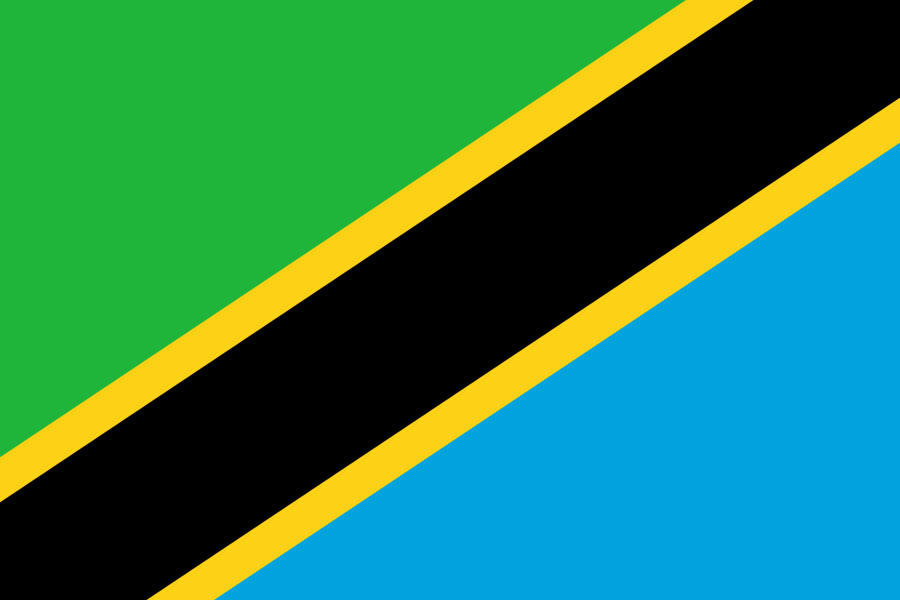 Tanzania: Tanzania also has green, black and gold, but in a diagonal band with blue
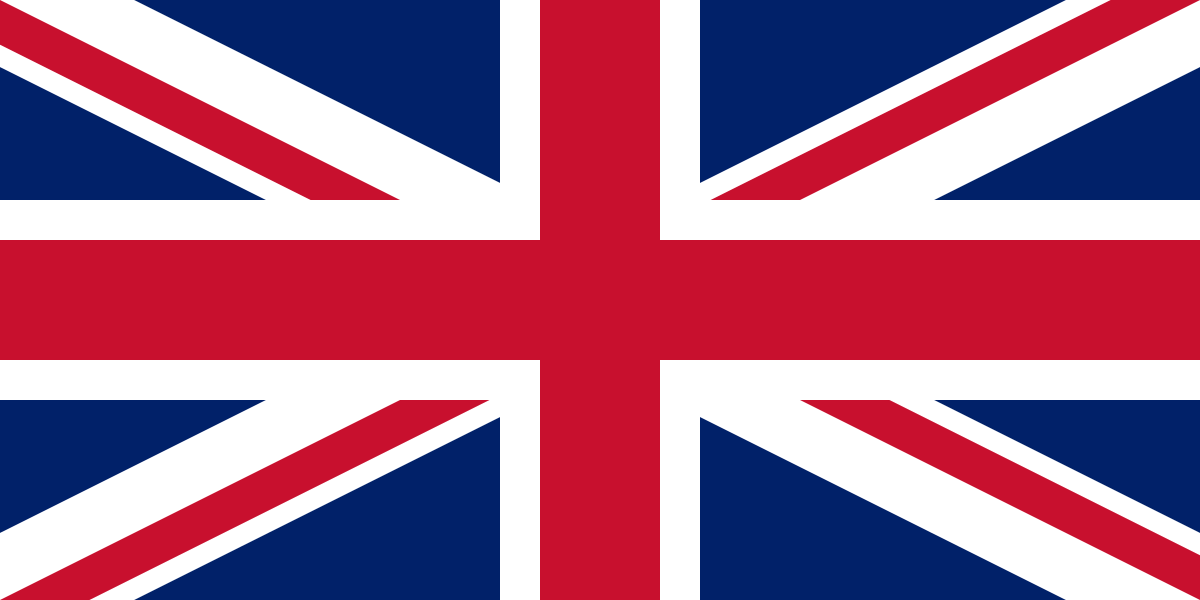 United Kingdom: The Union Jack has diagonal crosses too, but in red, white and blue
Questions
What does the flag of Jamaica look like?
A gold diagonal cross (saltire) divides the flag into four triangles: green at the top and bottom, black at the left and right.
What do the colours and symbols on the flag of Jamaica mean?
Black: the strength and creativity of the people; in 1962 it stood for hardships; Gold: the sunshine and the natural wealth of the country; Green: the land, its plants and hope; Original 1962 motto: "Hardships there are but the land is green and the sun shineth".
When was the flag of Jamaica adopted?
The current flag of Jamaica was adopted on August 6, 1962. (first raised on independence day, 6 August 1962; the official meaning of the colours was revised in 1996)
What colours are on the flag of Jamaica?
The flag of Jamaica uses gold, green and black.
Which flag is easy to mix up with the flag of Jamaica?
It is easy to mix up with the flag of Tanzania. Tanzania also has green, black and gold, but in a diagonal band with blue
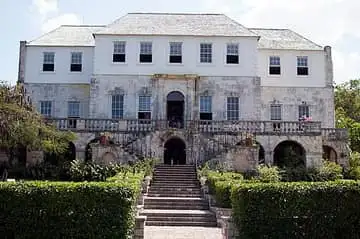
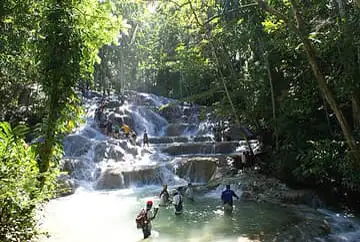
Famous landmarks in Jamaica
🎯 Play the flag quiz 🌍 Play the globe
Sources
- en.wikipedia.org
- crwflags.com
- Flag picture: flagcdn.com (Wikimedia Commons)