
The Bund
와이탄
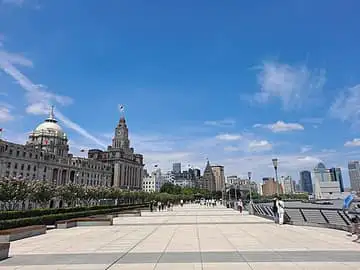
The Bund is a famous riverside street and historic district in the middle of Shanghai, China. It runs along the western bank of the Huangpu River, about 1.7 kilometres long, and is lined with grand stone buildings that once held banks, trading companies and clubs. The name comes from a Hindustani word for an embankment, a raised bank that protects land beside water.
See it on the 3D globe →At a glance
- Country
- China
- Location
- Shanghai, China
- Built
- 19th–20th c.
- Type
- Historic district
Quick answers
Where is The Bund?
The Bund is in Shanghai, China.
A riverfront promenade of colonial-era banks and trading houses facing the Pudong skyline.
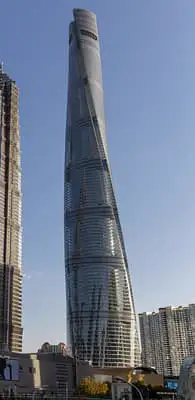
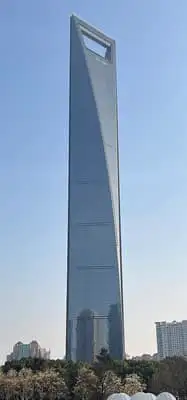
Across the river stand the glass towers of Pudong's Lujiazui district, so one walk shows two eras side by side: the old European-style waterfront and one of the world's best-known modern skylines. In Chinese the area is called Waitan, which means "outer bank".
History
Foreign merchants began building along this stretch of the river in the 1800s. In 1863 the British and American settlements joined to form the International Settlement, and from the 1860s to the 1930s the Bund was the centre of foreign business in Shanghai. Around 1900, big banks and trading houses rose here, and by the 1940s it held the headquarters of many of the most important financial institutions in China.
After 1949 many of those institutions moved away, and for years the buildings served other purposes. From the late 1970s and 1980s they were gradually returned to banking, hotels and restaurants.
What you can see today
The buildings mix many European styles, including Gothic, Baroque, Neoclassical, Romanesque and Art Deco. Some of them were designed to echo the famous "Three Graces" on the waterfront of Liverpool, England. In front of them, a tall levee was built after typhoon floods, so the riverside promenade now sits about 10 metres higher than the street. Visitors come to stroll along it, especially in the evening when the buildings and the skyscrapers across the river are lit up.
Fun facts
- The word "bund" came into English from Hindustani, where it meant a dyke or embankment.
- The Chinese name Waitan means "outer bank", to tell it apart from the "inner bank" next to the old walled city.
- After typhoon floods, a levee raised the promenade about 10 metres above the street.
- Some buildings on the Bund were designed to echo Liverpool's famous waterfront buildings.
On the globe
The model shows the row of old colonial-era buildings along the riverfront facing the Pudong skyline.
Nearby on the globe


Sources
Updated: 2026-10-14