
Flag of Cuba
La Estrella Solitaria ("the Lone Star")
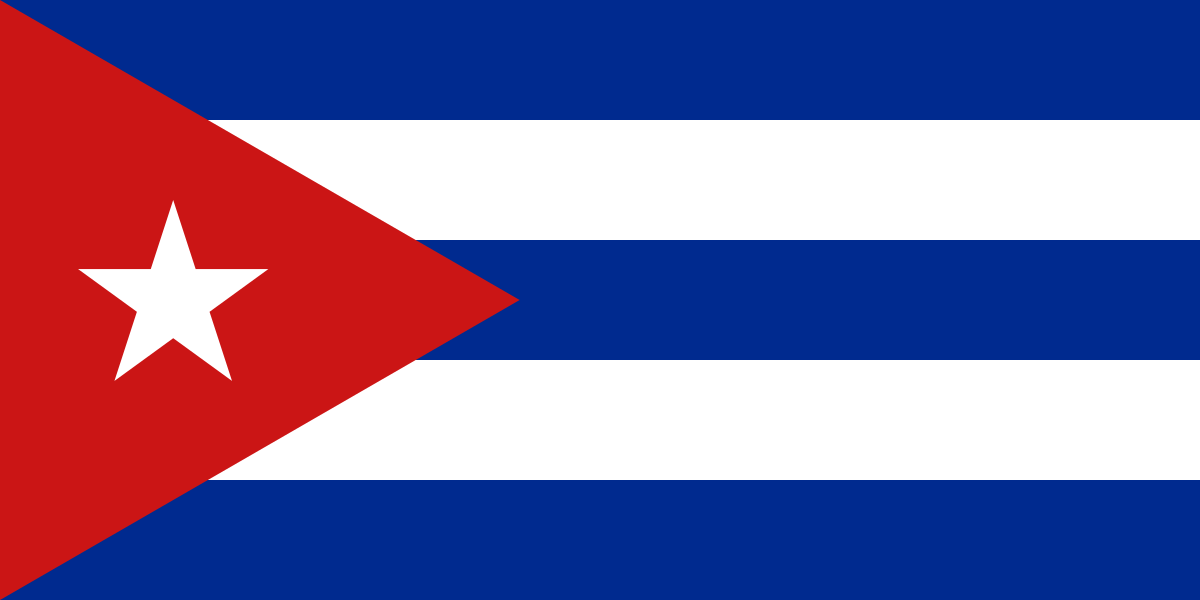
Cuba's flag has five horizontal stripes, three blue and two white, with a red triangle at the flagpole side holding a white five-pointed star.
At a glance
- Adopted
- May 20, 1902designed in 1849 and first flown in 1850; national flag of the republic since 1902, with the dark blue shade fixed in 1906
- Shape (height : width)
- 1:2
- Capital
- Havana
- Continent
- North America
- Colours
- dark blue
- white
- red
What it means
- Three blue stripes: the three regions (departments) Cuba was divided into at the time
- Two white stripes: the purity of the independence cause
- Red triangle: freedom, equality and brotherhood, and the blood shed for independence; the triangle shape is also linked to Freemasonry, where it stands for equality
- White star: absolute freedom; it is the "lone star" of an independent Cuba
Where it came from
The flag was designed in 1849 by Narciso Lopez, who led attempts to free Cuba from Spanish rule, together with the poet Miguel Teurbe Tolon. Emilia Teurbe Tolon sewed the first one.
It was first raised on 19 May 1850, when Lopez's fighters briefly captured the town of Cardenas. The attempt failed, but the flag lived on.
History
During the Ten Years' War against Spain, independence leaders chose Lopez's Lone Star flag over another rebel flag, and in 1869 their congress named it the national banner.
After Spain left in 1898, the United States flag flew over Cuba until independence. On 20 May 1902 the Lone Star flag was raised as the flag of the new republic. Since 1906 the rules have called for a dark blue. The design did not change after the 1959 revolution.
Fun facts
- The flag was designed more than 50 years before Cuba became an independent country.
- The flag is twice as long as it is tall.
- Puerto Rico's flag, made in 1895, was modelled on Cuba's, with the colours swapped.
- In 2019 a new law on national symbols set out how people may use the flag; the government said it would allow more flexible use.
Easy to mix up with
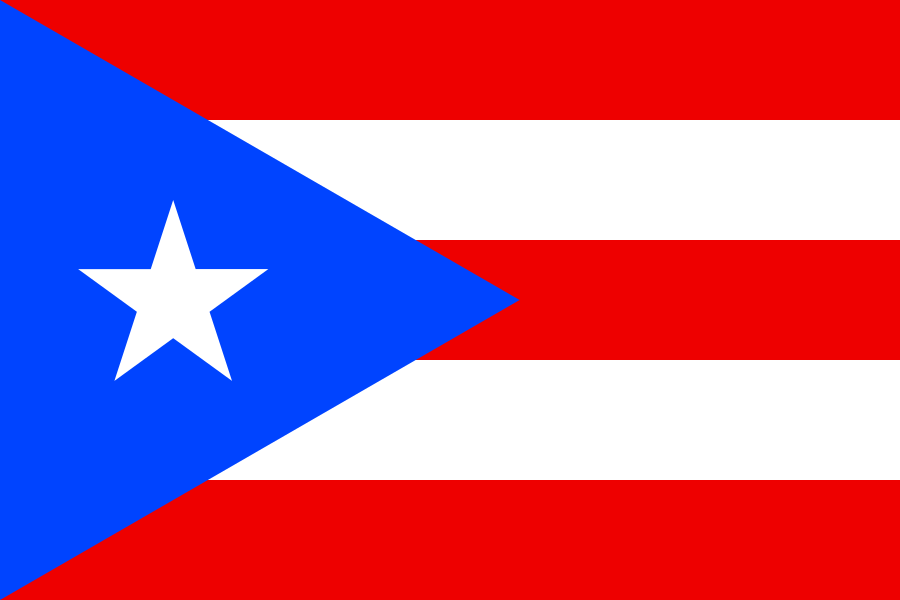 Puerto Rico: Puerto Rico has the same layout, but the stripes are red and white and the triangle is blue
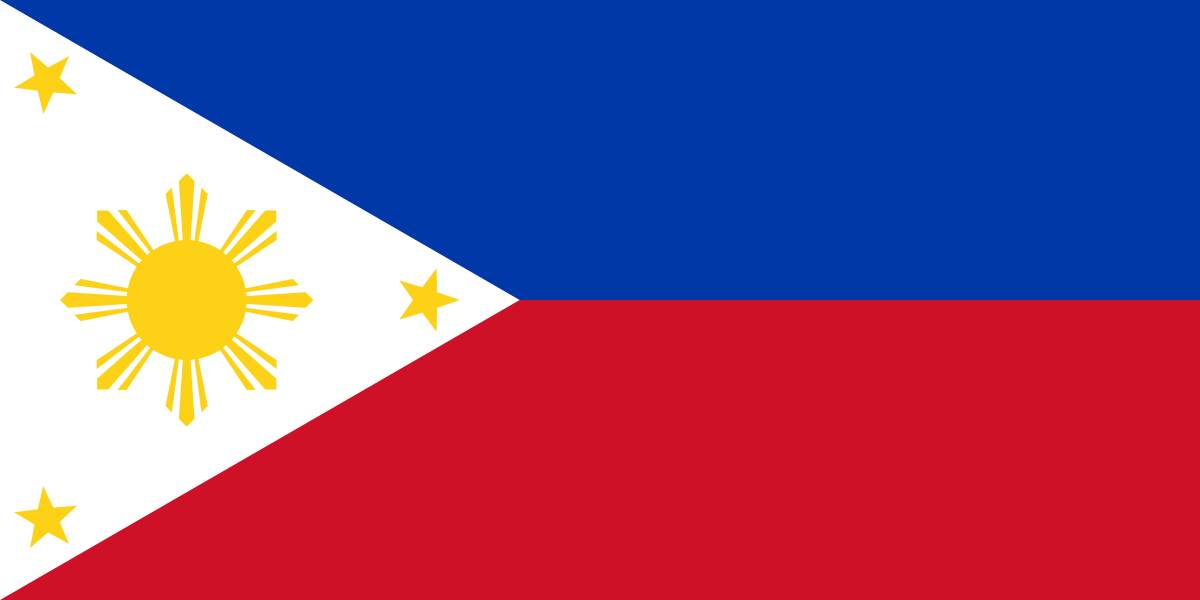 Philippines: the Philippines also has a white star in a hoist triangle, but its triangle is white and it has only two big stripes
Questions
What does the flag of Cuba look like?
Cuba's flag has five horizontal stripes, three blue and two white, with a red triangle at the flagpole side holding a white five-pointed star.
What do the colours and symbols on the flag of Cuba mean?
Three blue stripes: the three regions (departments) Cuba was divided into at the time; Two white stripes: the purity of the independence cause; Red triangle: freedom, equality and brotherhood, and the blood shed for independence; the triangle shape is also linked to Freemasonry, where it stands for equality; White star: absolute freedom; it is the "lone star" of an independent Cuba.
When was the flag of Cuba adopted?
The current flag of Cuba was adopted on May 20, 1902. (designed in 1849 and first flown in 1850; national flag of the republic since 1902, with the dark blue shade fixed in 1906)
What colours are on the flag of Cuba?
The flag of Cuba uses dark blue, white and red.
Which flag is easy to mix up with the flag of Cuba?
It is easy to mix up with the flag of Puerto Rico. Puerto Rico has the same layout, but the stripes are red and white and the triangle is blue
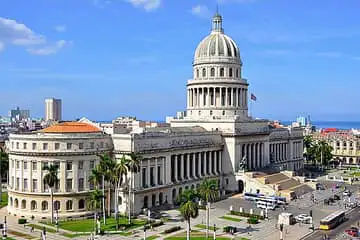
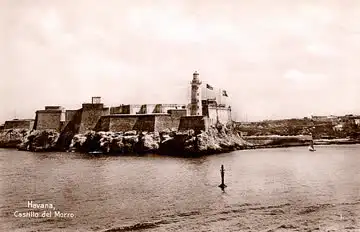
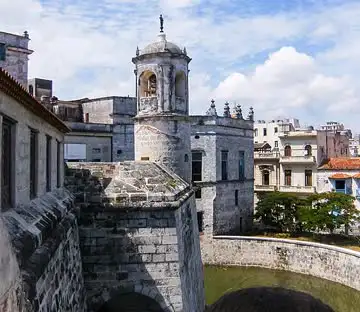
Famous landmarks in Cuba
🎯 Play the flag quiz 🌍 Play the globe
Sources
- en.wikipedia.org
- crwflags.com
- Flag picture: flagcdn.com (Wikimedia Commons)