
Flag of Greece
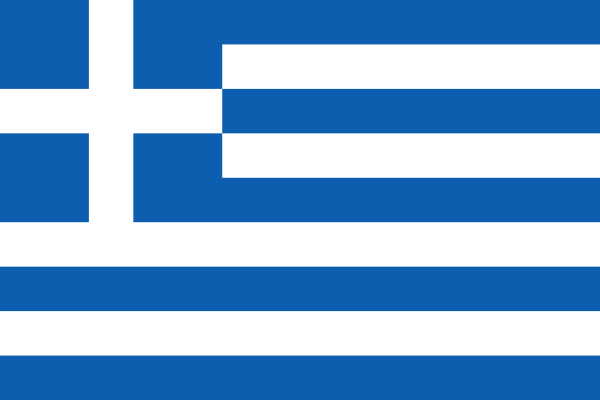
Greece's flag has nine horizontal stripes, alternating blue and white, with a white cross on a blue square in the top corner by the flagpole.
At a glance
- Adopted
- December 22, 1978the striped design has been used at sea since 1822; it became the only national flag on land and sea in 1978
- Shape (height : width)
- 2:3
- Capital
- Athens
- Continent
- Europe
- Colours
- blue
- white
What it means
- White cross: the Christian (Greek Orthodox) faith
- Nine stripes: officially no meaning; a popular explanation links them to the nine syllables of "Eleftheria i thanatos" (Freedom or Death), the motto of the War of Independence
- Blue and white: often said to be the sea and sky of Greece and the white of the waves, but this is popular, not official
Where it came from
The flag was born during the Greek War of Independence against the Ottoman Empire. In 1822 the First National Assembly at Epidaurus chose blue and white, and a decree of 15 March 1822 set the patterns: the striped flag for the sea and a simple white cross on blue for use on land.
Some historians think the striped design was based on the flag of a Cretan family, the Kallergis, but the old descriptions of that flag are hard to check.
History
When Greece had kings, versions with a crown or coat of arms were used. From 1975 to 1978 the plain cross flag was the only national flag.
On 22 December 1978 a new law made the striped flag the single national flag for both land and sea. The cross flag is still sometimes seen in unofficial use. The law calls the colours blue and white but does not fix the exact shade, so Greek flags come in lighter and darker blues.
Fun facts
- Britain, France and Russia first saluted the Greek flag at Nafplio on 7 February 1828.
- The flag was banned during the occupation of 1941 to 1944 and became a symbol of resistance.
- There are exactly five blue stripes and four white ones.
- In Cyprus, people may legally fly the Greek flag next to the Cypriot flag.
Easy to mix up with
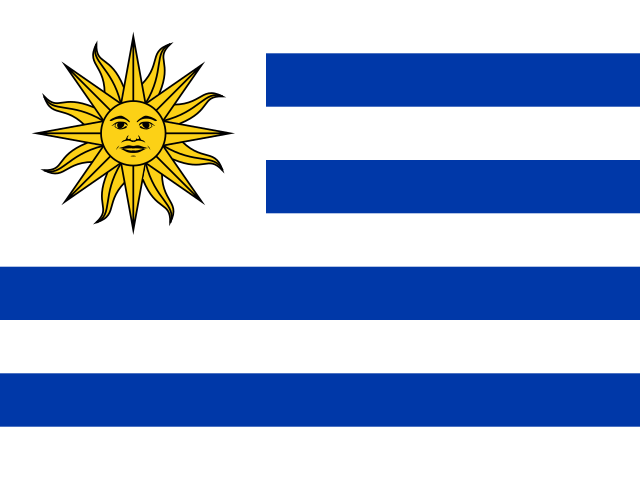 Uruguay
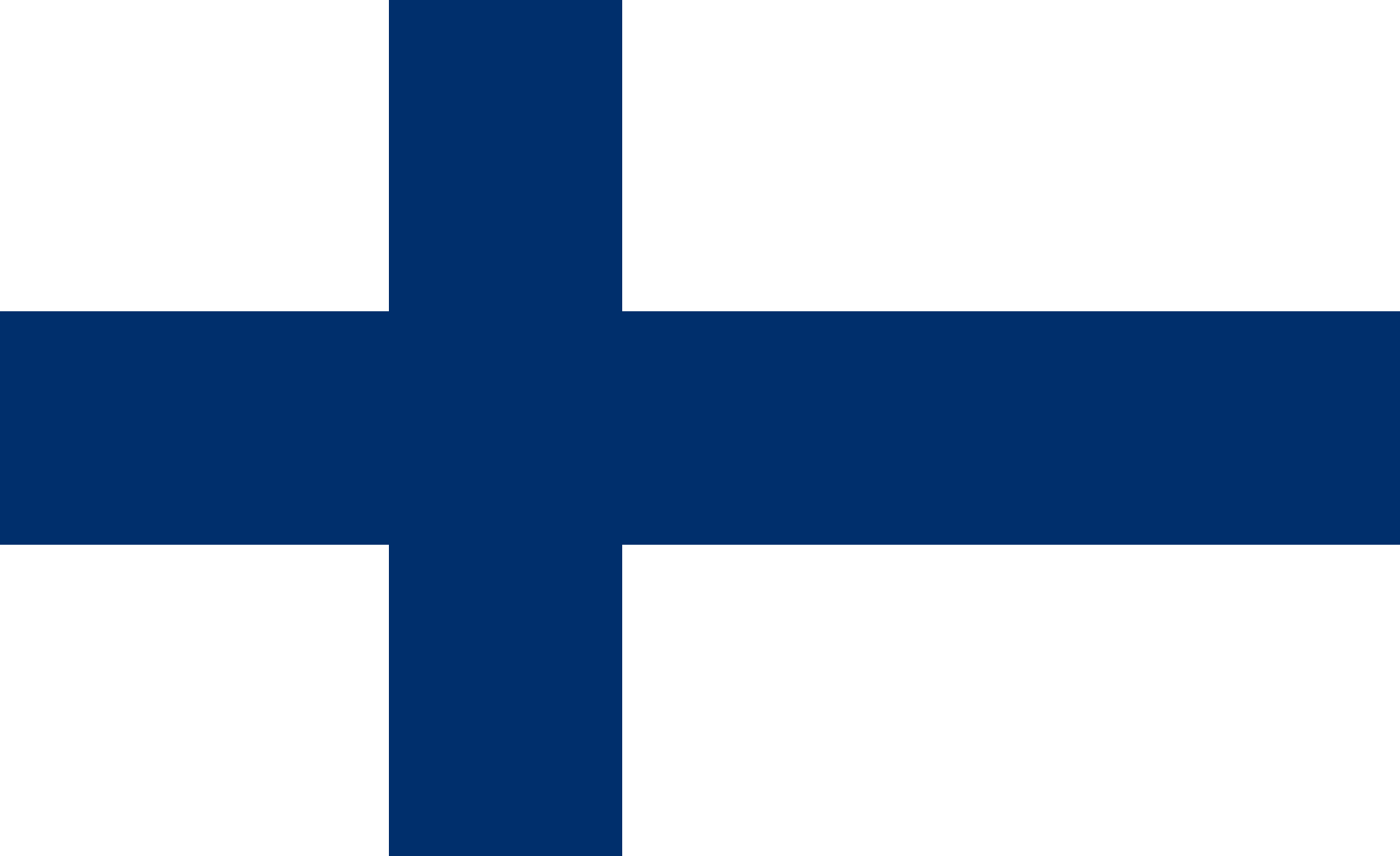 Finland
Questions
What does the flag of Greece look like?
Greece's flag has nine horizontal stripes, alternating blue and white, with a white cross on a blue square in the top corner by the flagpole.
What do the colours and symbols on the flag of Greece mean?
White cross: the Christian (Greek Orthodox) faith; Nine stripes: officially no meaning; a popular explanation links them to the nine syllables of "Eleftheria i thanatos" (Freedom or Death), the motto of the War of Independence; Blue and white: often said to be the sea and sky of Greece and the white of the waves, but this is popular, not official.
When was the flag of Greece adopted?
The current flag of Greece was adopted on December 22, 1978. (the striped design has been used at sea since 1822; it became the only national flag on land and sea in 1978)
What colours are on the flag of Greece?
The flag of Greece uses blue and white.
Which flag is easy to mix up with the flag of Greece?
It is easy to mix up with the flag of Uruguay. Uruguay also has nine blue and white stripes, but with a golden sun in the corner instead of a cross
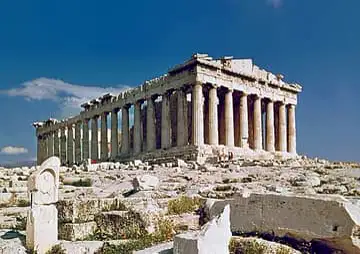
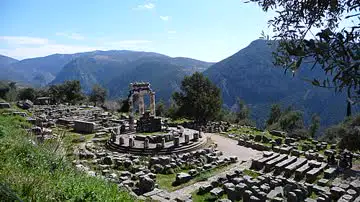
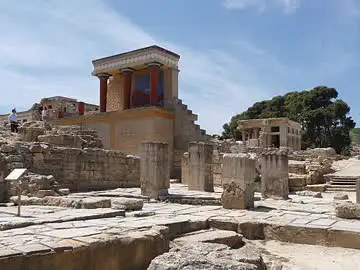
Famous landmarks in Greece


🎯 Play the flag quiz 🌍 Play the globe
Sources
- en.wikipedia.org
- crwflags.com
- Flag picture: flagcdn.com (Wikimedia Commons)