
Flag of Netherlands
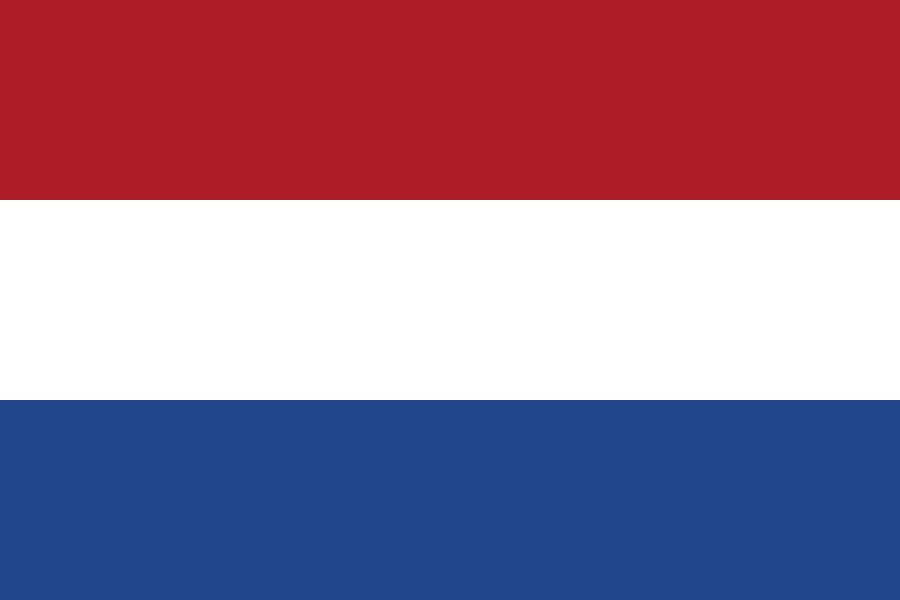
The flag of the Netherlands has three sideways stripes: red on top, white in the middle and blue at the bottom.
At a glance
- Adopted
- February 19, 1937a royal decree of 1937 confirmed red, white and blue as the national colours; the flag itself has been used since the 1600s
- Shape (height : width)
- 2:3
- Capital
- Amsterdam
- Continent
- Europe
- Colours
- bright vermilion red
- white
- cobalt blue
What it means
- Red, white and blue: there is no official meaning; one heraldic explanation is red for bravery, white for peace and blue for loyalty
- Orange pennant: not part of the flag, but flown above it on royal days to honour the House of Orange
Where it came from
The flag grew out of the Prince's Flag (Prinsenvlag), named after Prince William of Orange, who led the Dutch revolt against Spain in the 1500s. That flag was orange, white and blue and is first recorded in 1574.
History
Red started to replace orange as early as 1597, and by about 1630 to 1660 the red-white-blue flag was common.
A royal decree on 19 February 1937 stated that the colours of the flag are red, white and blue. It is known as one of the shortest decrees ever. Exact shades, bright vermilion and cobalt blue, were added later.
Fun facts
- It is often called the oldest tricolour flag still in use.
- On King's Day, 27 April, Dutch people add an orange pennant above the flag.
- Indonesian nationalists are said to have torn the blue stripe off a Dutch flag in 1945, which is linked to the red-and-white Indonesian flag.
- The Dutch flag inspired other tricolours, including Russia's.
Easy to mix up with
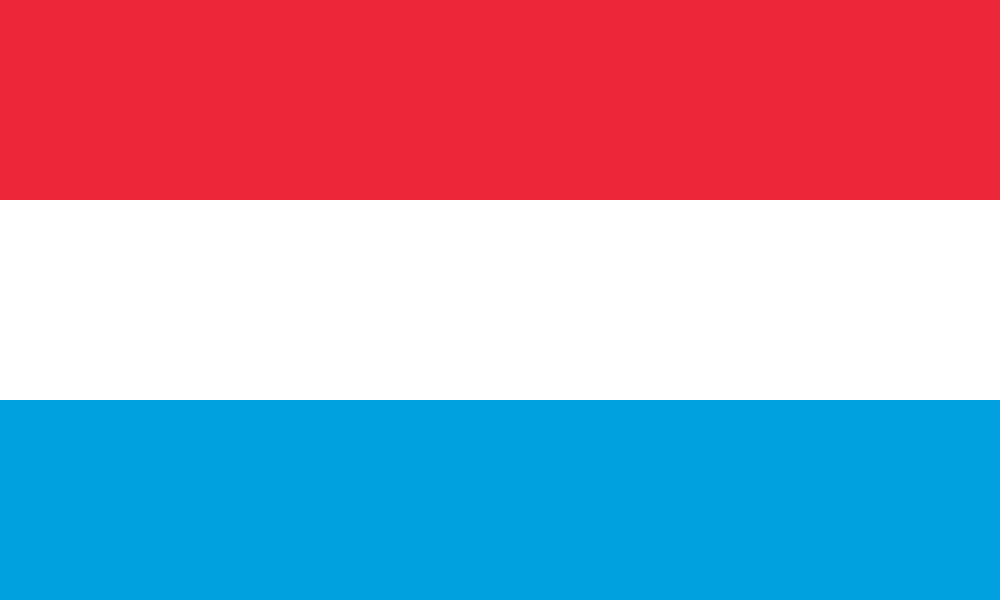 Luxembourg: Luxembourg has the same colours in the same order, but the flag is longer and its blue is a different shade
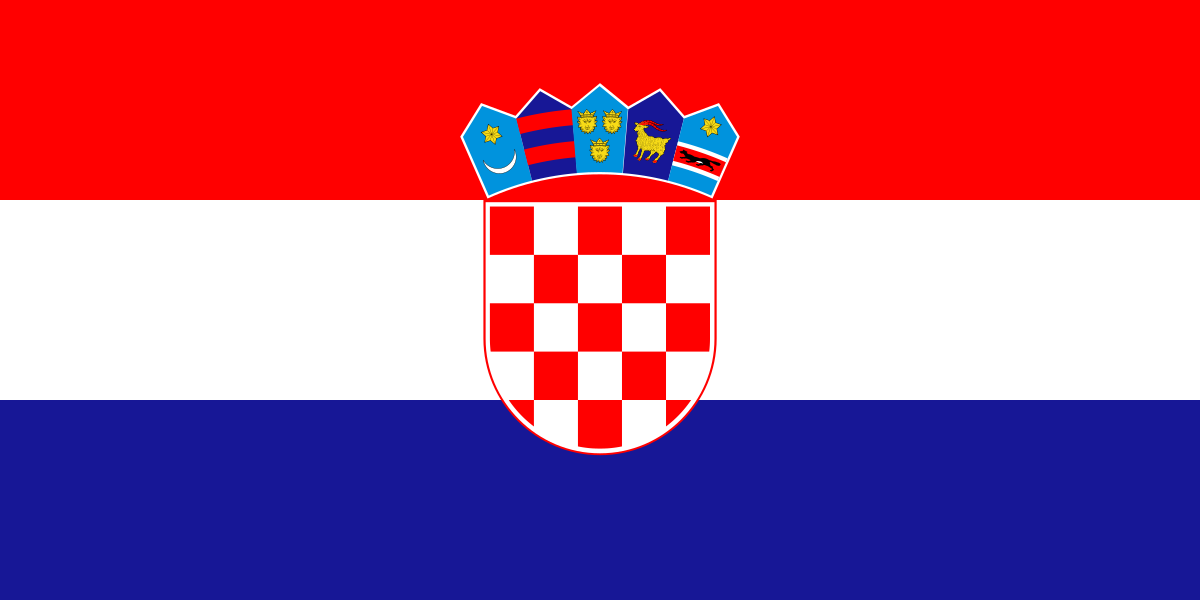 Croatia: Croatia is red-white-blue too, but has a red-and-white checkered coat of arms in the middle
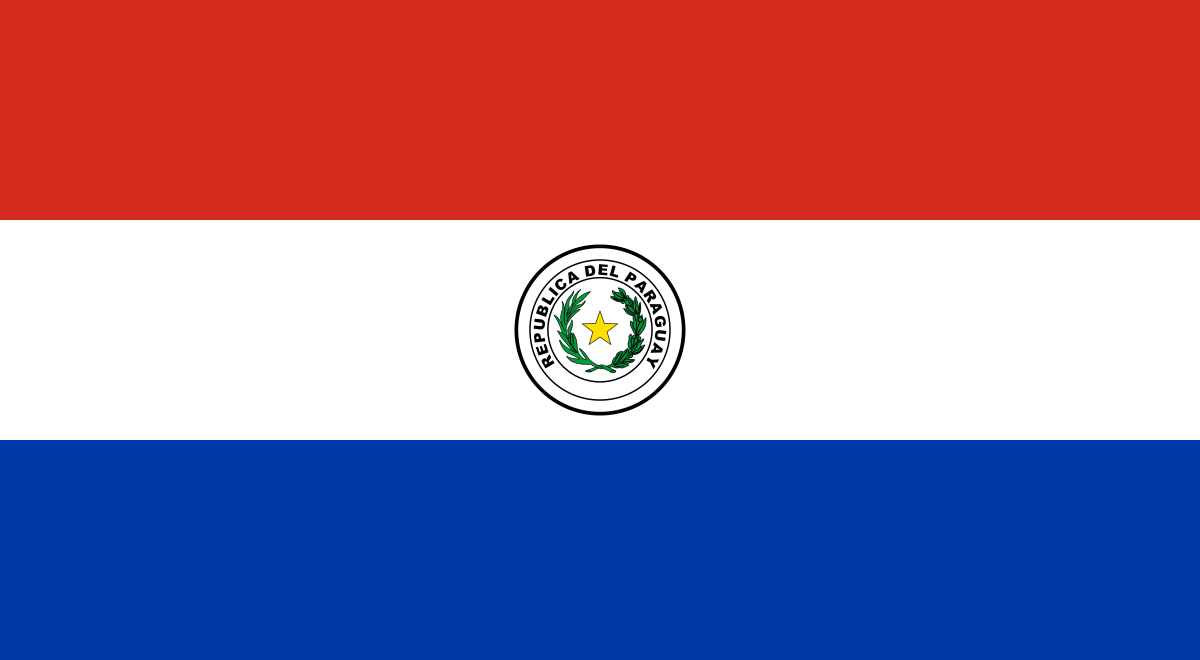 Paraguay: Paraguay is red-white-blue with a round emblem in the middle
Questions
What does the flag of Netherlands look like?
The flag of the Netherlands has three sideways stripes: red on top, white in the middle and blue at the bottom.
What do the colours and symbols on the flag of Netherlands mean?
Red, white and blue: there is no official meaning; one heraldic explanation is red for bravery, white for peace and blue for loyalty; Orange pennant: not part of the flag, but flown above it on royal days to honour the House of Orange.
When was the flag of Netherlands adopted?
The current flag of Netherlands was adopted on February 19, 1937. (a royal decree of 1937 confirmed red, white and blue as the national colours; the flag itself has been used since the 1600s)
What colours are on the flag of Netherlands?
The flag of Netherlands uses bright vermilion red, white and cobalt blue.
Which flag is easy to mix up with the flag of Netherlands?
It is easy to mix up with the flag of Luxembourg. Luxembourg has the same colours in the same order, but the flag is longer and its blue is a different shade
Famous landmarks in Netherlands

🎯 Play the flag quiz 🌍 Play the globe
Sources
- en.wikipedia.org
- crwflags.com
- Flag picture: flagcdn.com (Wikimedia Commons)