
Flag of India
Tiranga ("tricolour")
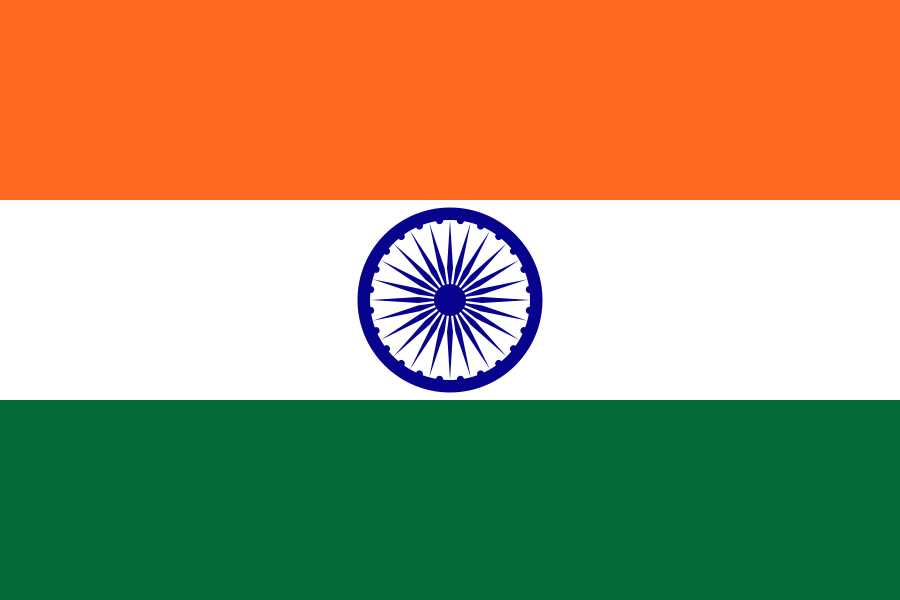
Three horizontal stripes of saffron, white and green, with a navy blue wheel of 24 spokes in the centre.
At a glance
- Adopted
- July 22, 1947adopted by the Constituent Assembly on 22 July 1947, three weeks before independence on 15 August
- Shape (height : width)
- 2:3
- Capital
- New Delhi
- Continent
- Asia
- Colours
- saffron
- white
- India green
- navy blue
What it means
- Saffron: courage and sacrifice; Radhakrishnan described it as renunciation
- White: truth and peace
- Green: faith, growth and the link to the soil and plant life
- Ashoka Chakra (24 spokes): dharma (righteousness) and the idea that life is in movement and peaceful change
Where it came from
The flag grew out of the flag of the Indian National Congress, the party that led the freedom movement. Pingali Venkayya is generally credited with the original design, which Gandhi promoted in 1921 with a spinning wheel in the middle.
In 1947 the spinning wheel was replaced by the Ashoka Chakra, a wheel taken from the Lion Capital of Emperor Ashoka, carved over 2,000 years ago.
History
Many flags came before it. An early nationalist flag was launched in Kolkata, and in 1907 Bhikaji Cama raised a version of it in Stuttgart, Germany. In 1916 the Home Rule movement had its own flag.
In 1931 the Congress officially adopted a saffron, white and green flag with a spinning wheel, called the Swaraj flag. The Constituent Assembly turned it into the national flag on 22 July 1947, with the wheel of Ashoka in the centre.
Fun facts
- Until December 2021, the flag had to be made of khadi, a hand-spun cloth.
- Nehru called the wheel a practical choice because, unlike the spinning wheel, it looks symmetrical.
- Before 2002, ordinary people could fly the flag only on certain national days.
- The wheel has exactly 24 spokes.
Easy to mix up with
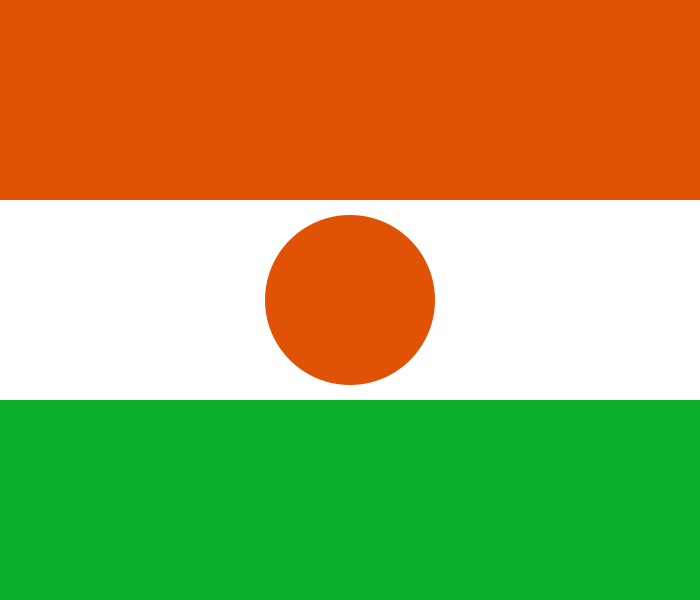 Niger
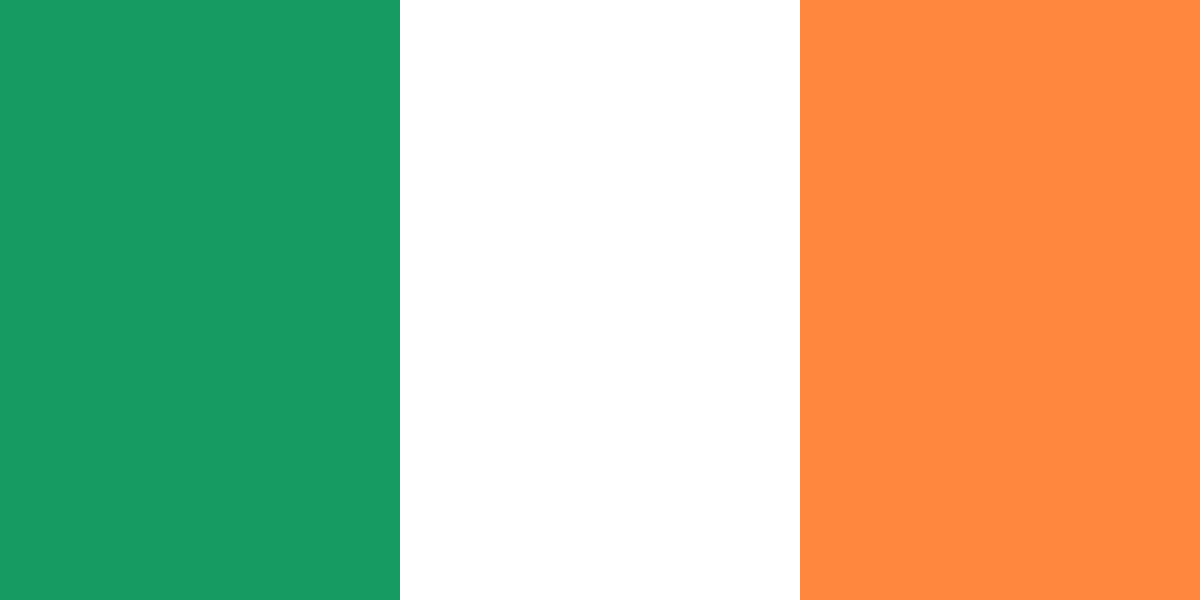 Ireland
Questions
What does the flag of India look like?
Three horizontal stripes of saffron, white and green, with a navy blue wheel of 24 spokes in the centre.
What do the colours and symbols on the flag of India mean?
Saffron: courage and sacrifice; Radhakrishnan described it as renunciation; White: truth and peace; Green: faith, growth and the link to the soil and plant life; Ashoka Chakra (24 spokes): dharma (righteousness) and the idea that life is in movement and peaceful change.
When was the flag of India adopted?
The current flag of India was adopted on July 22, 1947. (adopted by the Constituent Assembly on 22 July 1947, three weeks before independence on 15 August)
What colours are on the flag of India?
The flag of India uses saffron, white, India green and navy blue.
Which flag is easy to mix up with the flag of India?
It is easy to mix up with the flag of Niger. Niger has orange, white and green stripes too, but an orange circle instead of a blue wheel and an almost square shape
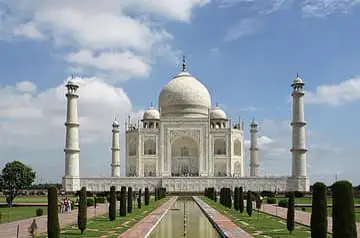
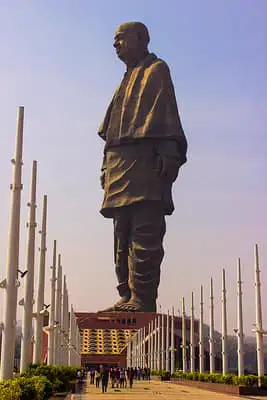
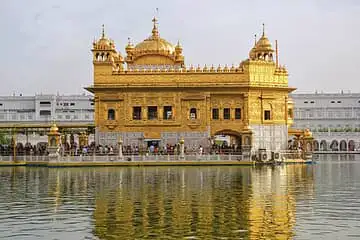
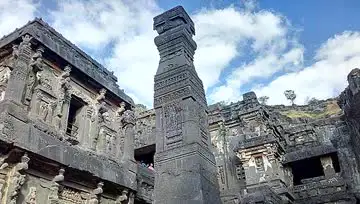
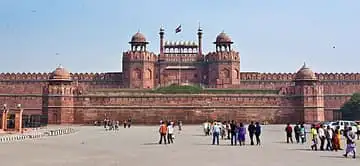
Famous landmarks in India

🎯 Play the flag quiz 🌍 Play the globe
Sources
- en.wikipedia.org
- crwflags.com
- Flag picture: flagcdn.com (Wikimedia Commons)