
Flag of Mali
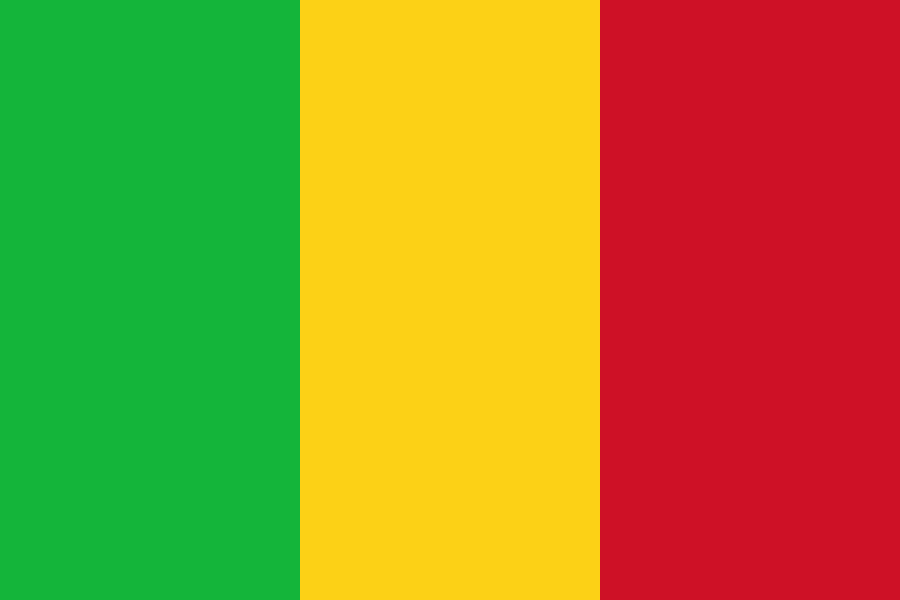
Three equal vertical stripes of green, gold and red, with green next to the flagpole.
At a glance
- Adopted
- March 1, 1961the same tricolour was first used in 1959 by the Mali Federation with a black kanaga figure; the figure was removed in 1961
- Shape (height : width)
- 2:3
- Capital
- Bamako
- Continent
- Africa
- Colours
- green
- gold (yellow)
- red
What it means
- Green: the fertile land
- Gold: purity and the country's mineral wealth
- Red: the blood shed in the fight for independence from France
Where it came from
Green, gold and red are the pan-African colours, used by many African countries. The tricolour was first adopted on 4 April 1959, when French Sudan (now Mali) and Senegal joined to form the Mali Federation.
That first flag had a black kanaga in the gold stripe: a small, stylised human-like figure with raised arms.
History
Senegal left the federation in August 1960 and put a green star in place of the kanaga. Mali kept the kanaga for a while.
On 1 March 1961 Mali removed the figure and adopted the plain tricolour. Many people in this mostly Muslim country objected to showing a human figure on the flag. Long before, under French rule, the French tricolour was used.
Fun facts
- Mali's flag is the Mali Federation's flag minus the kanaga figure.
- The royal standard of Mansa Musa's medieval Mali Empire is said to have been yellow and red.
- Turn Bolivia's flag on its side and it looks a lot like Mali's.
- For more than a year, Mali and Senegal shared exactly the same flag.
Easy to mix up with
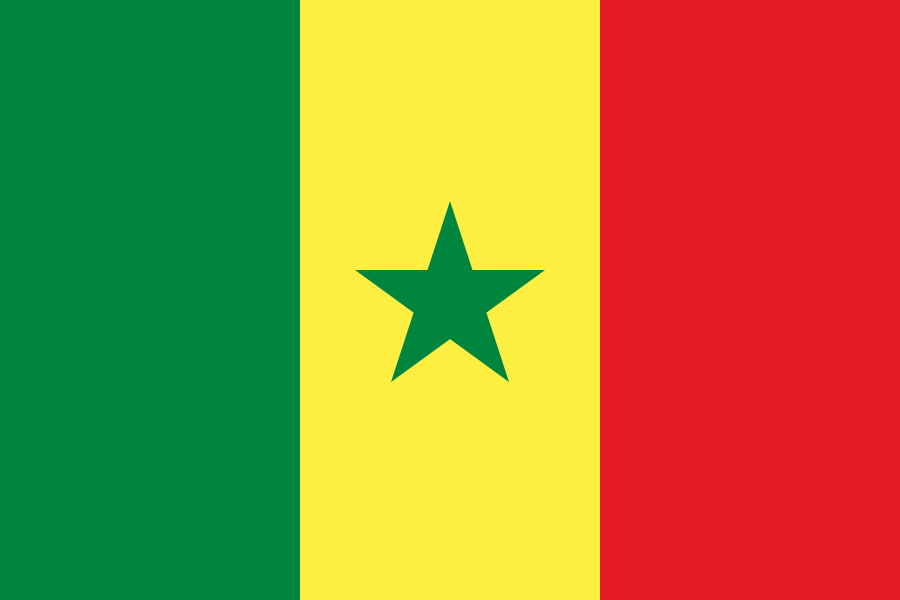 Senegal
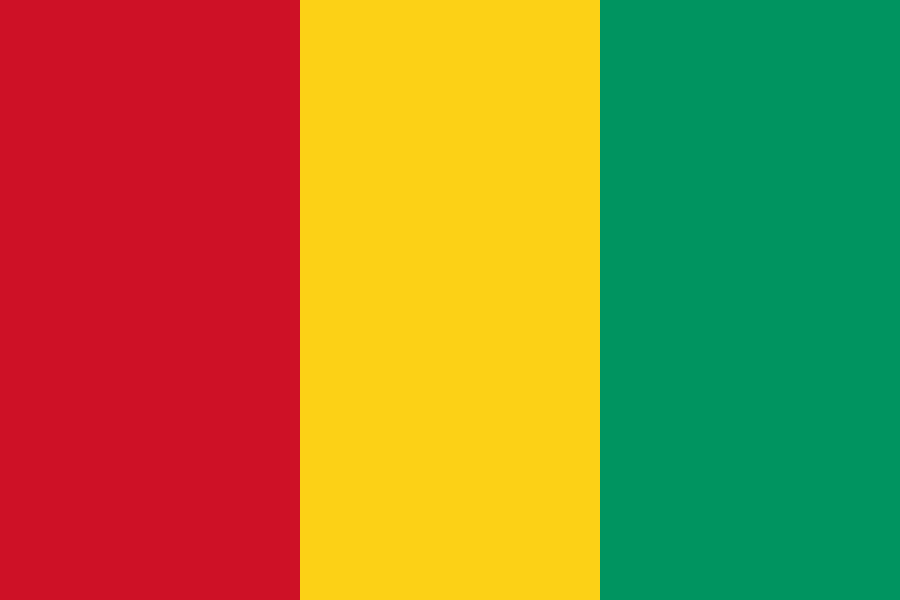 Guinea
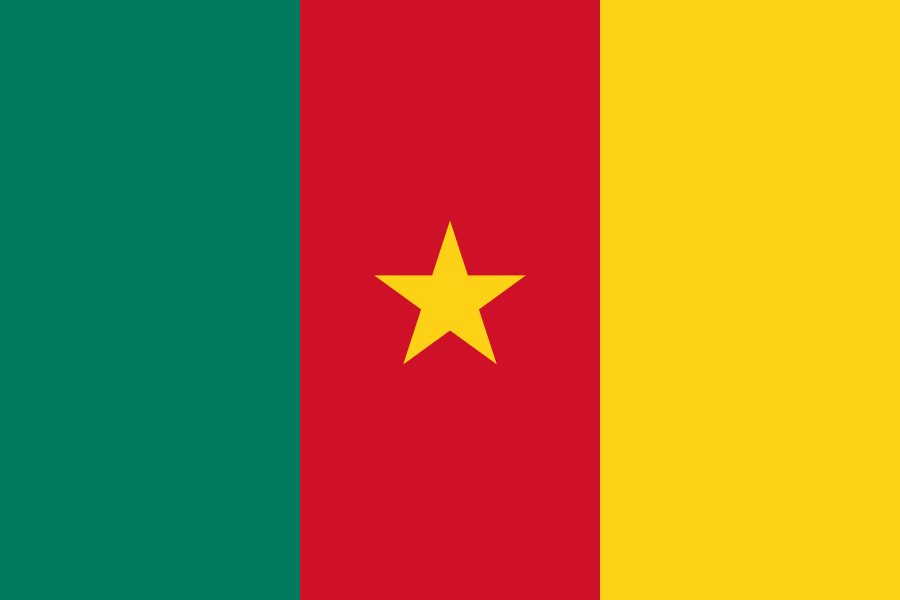 Cameroon
Questions
What does the flag of Mali look like?
Three equal vertical stripes of green, gold and red, with green next to the flagpole.
What do the colours and symbols on the flag of Mali mean?
Green: the fertile land; Gold: purity and the country's mineral wealth; Red: the blood shed in the fight for independence from France.
When was the flag of Mali adopted?
The current flag of Mali was adopted on March 1, 1961. (the same tricolour was first used in 1959 by the Mali Federation with a black kanaga figure; the figure was removed in 1961)
What colours are on the flag of Mali?
The flag of Mali uses green, gold (yellow) and red.
Which flag is easy to mix up with the flag of Mali?
It is easy to mix up with the flag of Senegal. Senegal has the same stripes with a green star in the middle
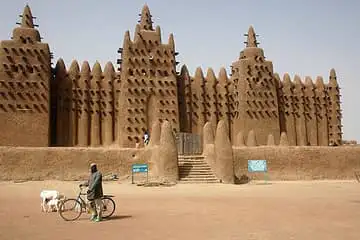
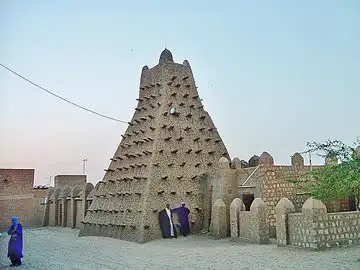
Famous landmarks in Mali
🎯 Play the flag quiz 🌍 Play the globe
Sources
- en.wikipedia.org
- crwflags.com
- Flag picture: flagcdn.com (Wikimedia Commons)